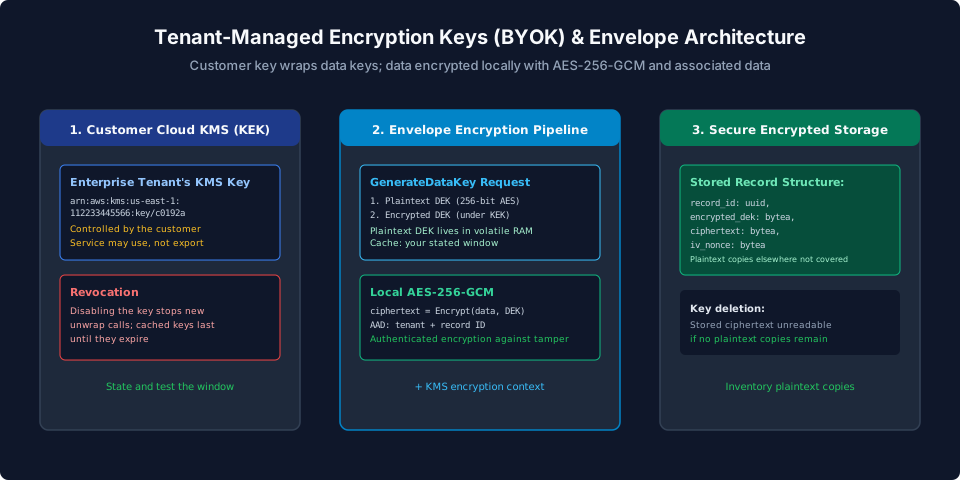
Customer-Managed Encryption Keys: Envelope Encryption and Real Revocation Time
How envelope encryption with a customer's KMS key works, how long revocation really takes, and a lab measuring AES-GCM cost and what associated data prevents.
Twenty guides in four topics, newest first. Each topic page suggests a reading order: multi-tenant architecture, billing and entitlements, security and identity, and operations. Guides with a runnable program are also listed on the labs page.
How envelope encryption with a customer's KMS key works, how long revocation really takes, and a lab measuring AES-GCM cost and what associated data prevents.
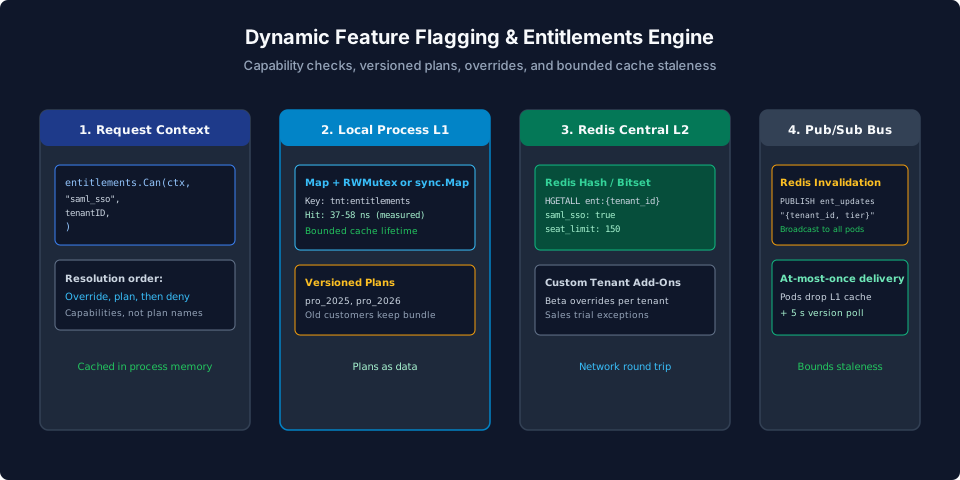
Move plan checks into data, cache them safely, and enforce seat limits where they cannot be exceeded. A lab shows how long one lost invalidation message keeps a server wrong.
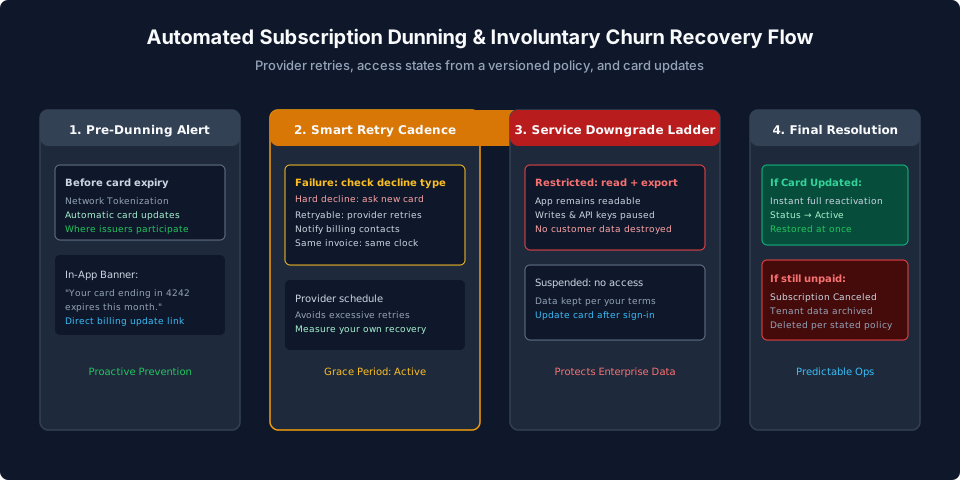
Which declines to retry, how to limit access while a payment is overdue, what to tell customers, and a tested Go state machine that handles duplicate payment events.
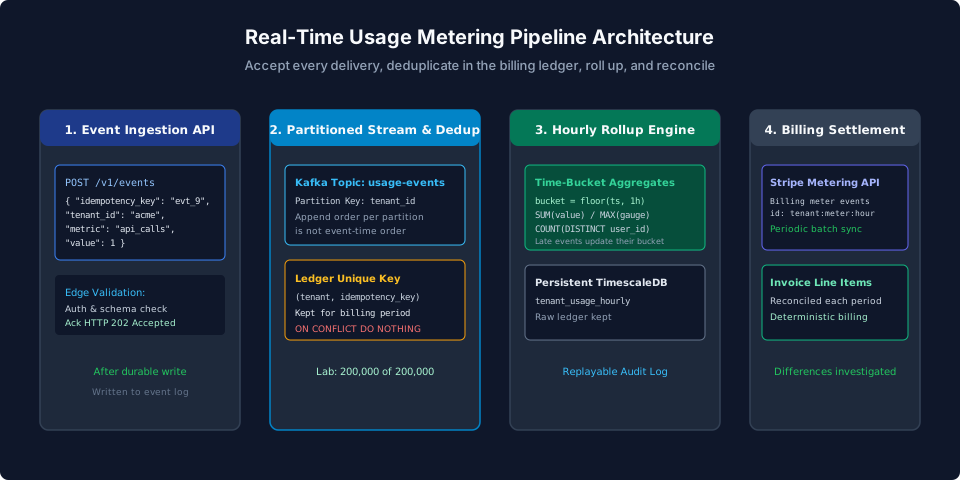
Design a metering pipeline from event to invoice, and see a lab in which the popular 'set a Redis marker first' pattern lost about 1% of billable usage.
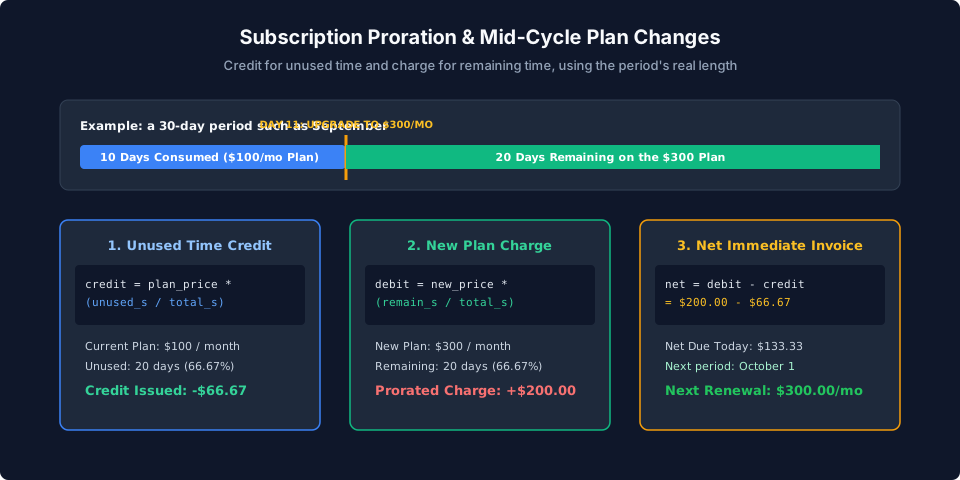
Proration is simple arithmetic plus policy. A lab computes one upgrade for every 2026 month and shows where 30-day and 365-day shortcuts change the invoice.
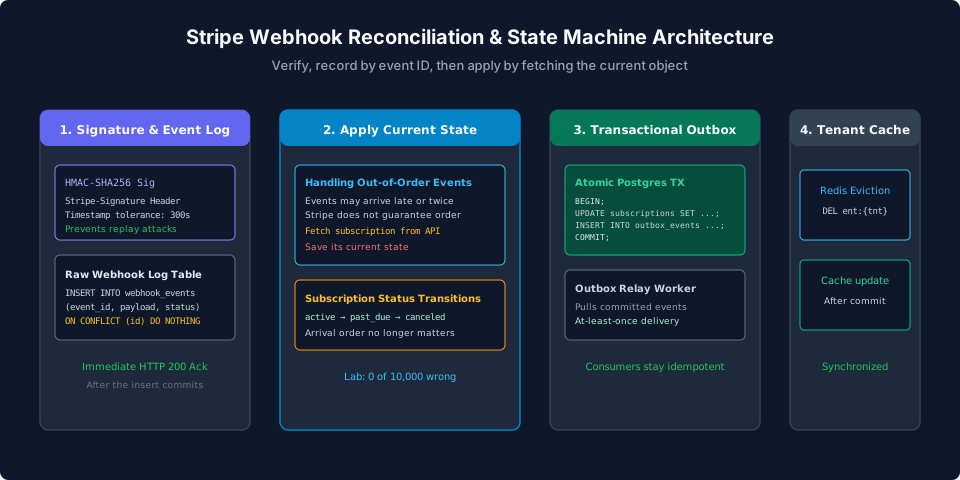
Stripe may deliver events late, twice, or out of order. A lab replays 40,000 events through five handlers; only fetching the current object kept every subscription correct.
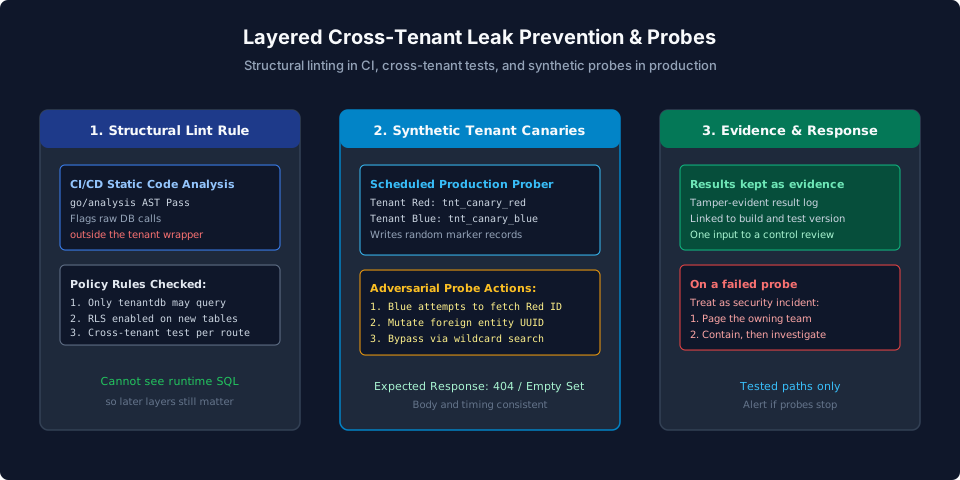
Where tenant data leaks come from, which controls catch each path, and a lab in which a popular tenant_id linter missed three unsafe queries and a structural rule caught them.
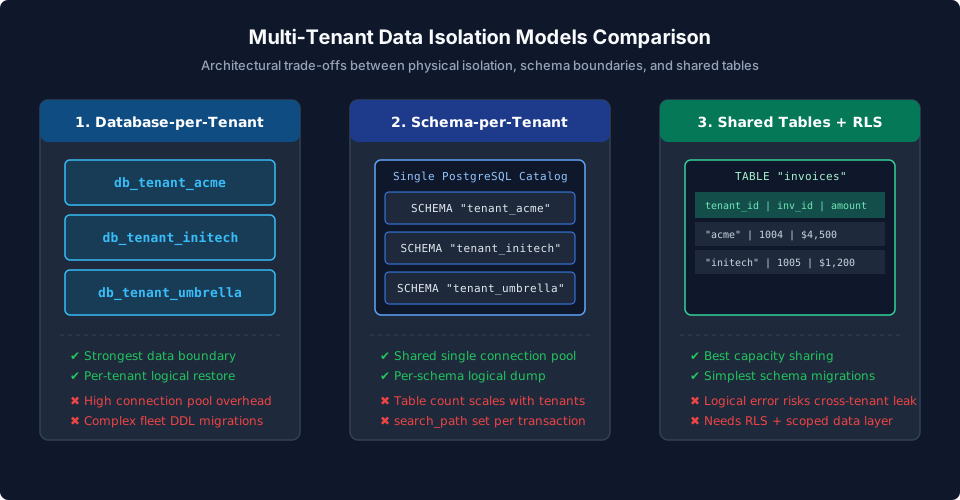
How the three PostgreSQL tenant isolation models differ in leak risk, connections, migrations, and restores, including what per-tenant point-in-time recovery really requires.
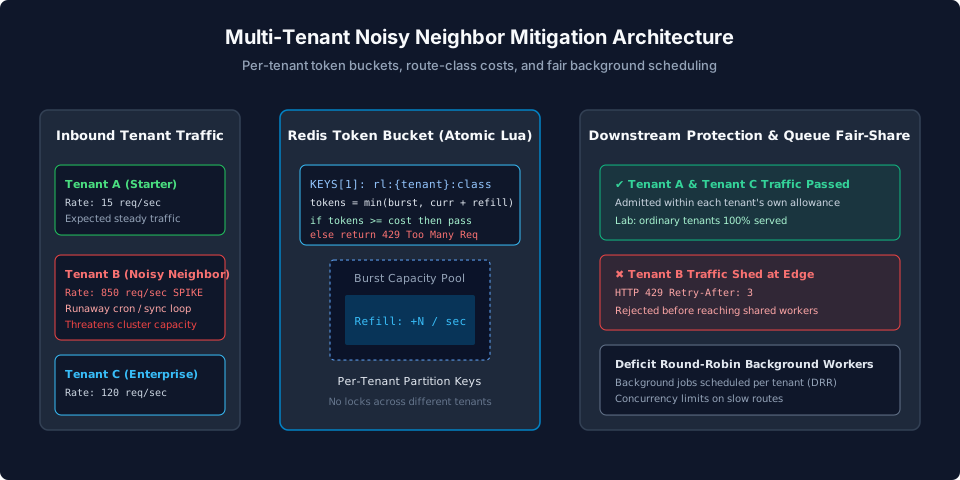
Why a global rate limit hurts the customers it should protect, how a per-tenant token bucket works, and a lab that compares both under the same flood.